From the founding of our state to the growth of military installations, ports, academic institutions, and industries that serve the nation, Georgia’s First District has shaped American History.
As we celebrate the 250th anniversary of the United States of America, we can proudly look back on the people, places, and moments from coastal Georgia that advanced the values which make our nation great.
This series highlights 25 ways Georgia’s First District has contributed to American greatness:
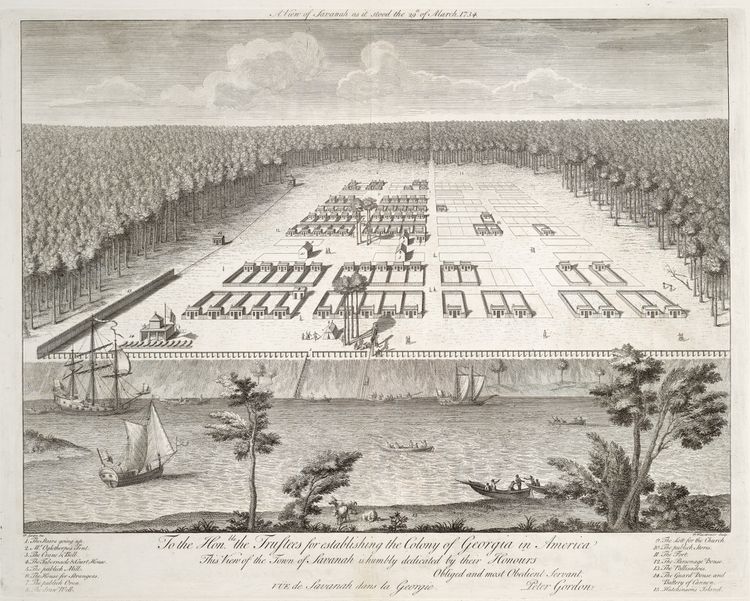
1733 - Georgia’s Establishment in Savannah
Savannah, the birthplace of Georgia, was established by James Oglethorpe after settlers landed along the Savannah River and founded the colony’s first city. Georgia helped complete the original 13 colonies and opened a new chapter in America’s march toward independence.
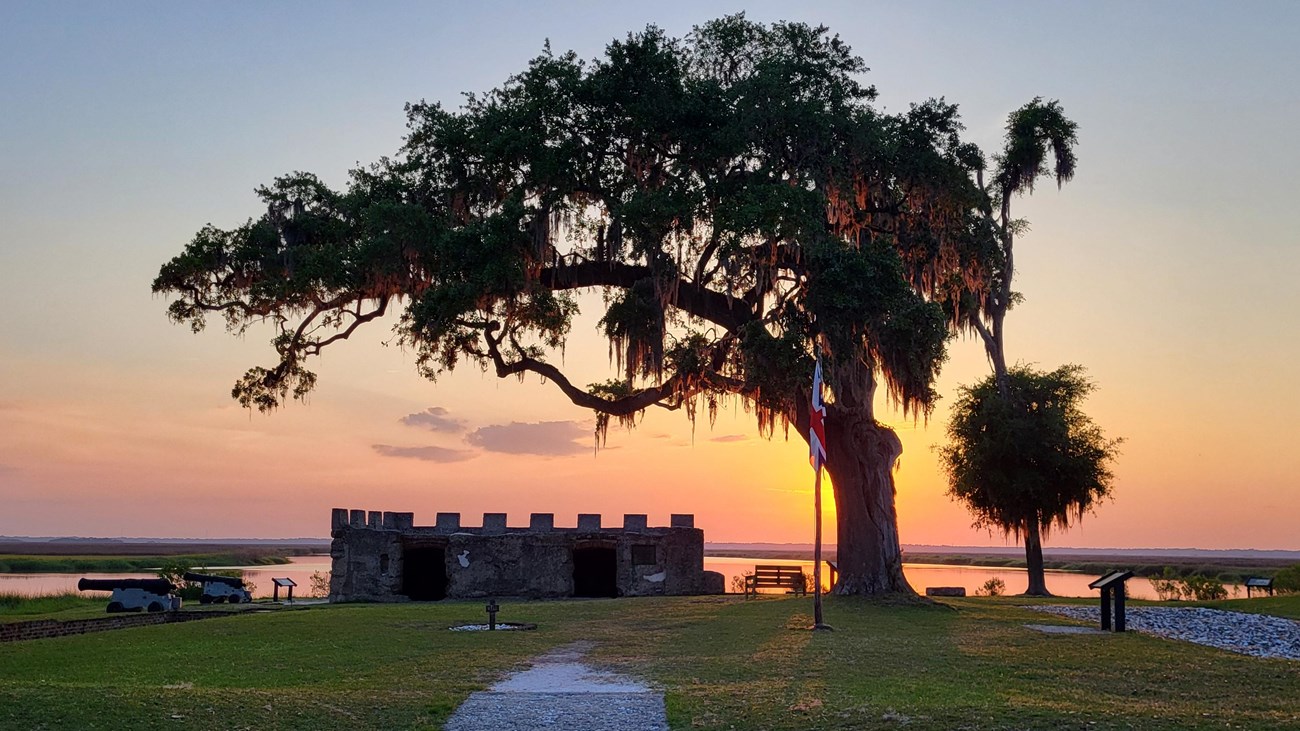
1736 - Fort Frederica Founded on St. Simons Island
To defend the southern frontier of the newly founded colony, Fort Frederica was built on St. Simons Island. Its establishment strengthened Georgia’s defenses, symbolizing Georgia’s growing capabilities.
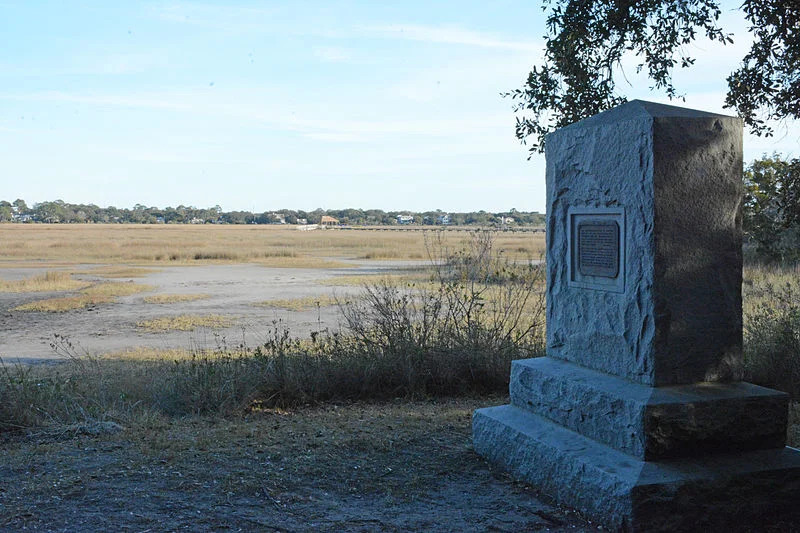
1742 - Battle of Bloody Marsh
Only a few years later, a small force of Georgia colonists repelled a Spanish invasion from the colony. The battle was won not by numbers, but by the kind of courage that would later define a revolution. Early Georgia settlers were already learning what it meant to fight for something worth keeping.
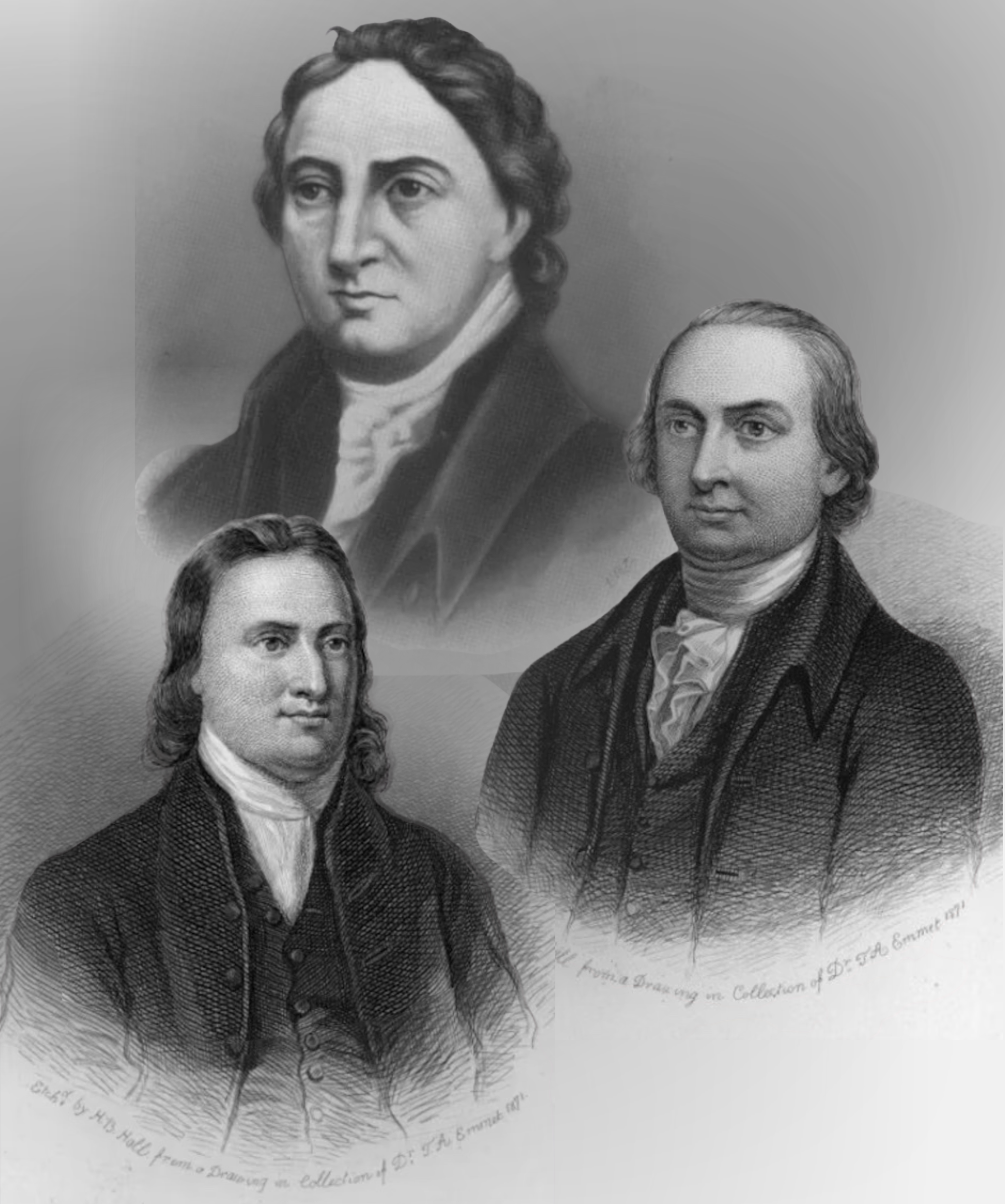
1776 - Coastal Georgia’s Signers of the Declaration of Independence
When it was time to pen America’s independence from Britain, coastal Georgians, including Button Gwinnett, Lyman Hall, and George Walton, signed the founding promise that would define the nation for centuries.
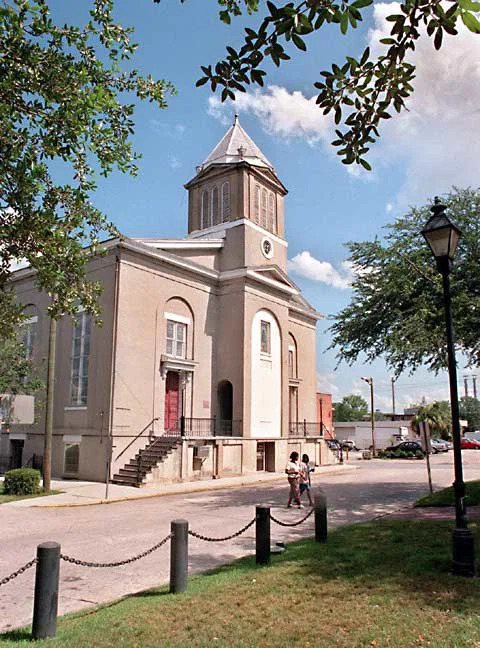
1777/1788 - First African Baptist Church Founding in Savannah
First African Baptist Church was established in the years surrounding the Revolution and formalized in 1788, making it one of the oldest Black congregations in America. It stands as a testament to the promise of freedom, which can never be destroyed.
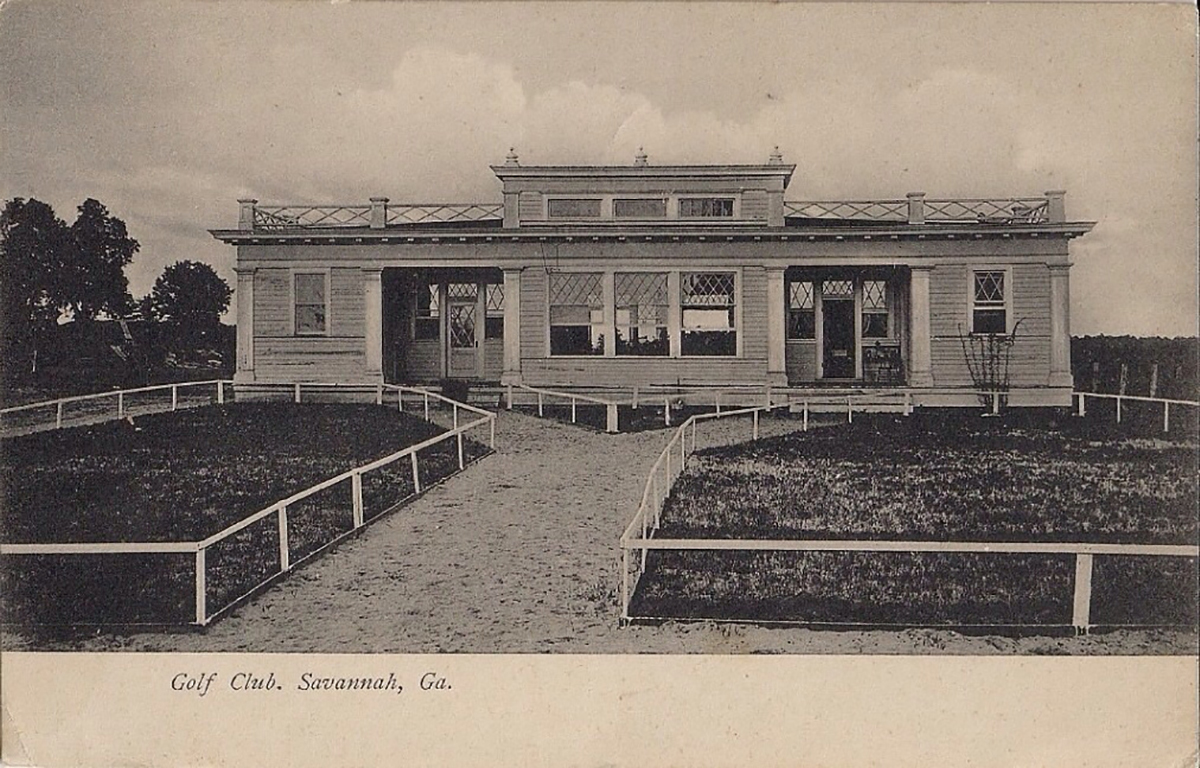
1794 - Savannah Golf Club – one of America’s earliest golf clubs
The Savannah Golf Club, established in 1794, became one of America’s earliest golf clubs. Its founding helped introduce and grow a sport that would become a lasting part of American recreation and a global phenomenon.
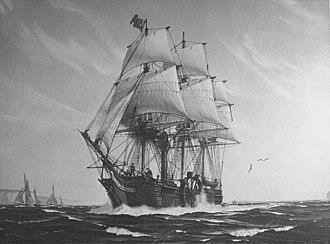
1819 - The SS Savannah Crosses the Atlantic
In 1819, the SS Savannah departed from its namesake city and became the first steam-powered vessel to cross the Atlantic Ocean. The voyage was bold and technically uncertain – a reflection of the American spirit. From Savannah’s harbor, the young nation sent a message that it was ready to take the lead over the Old World.
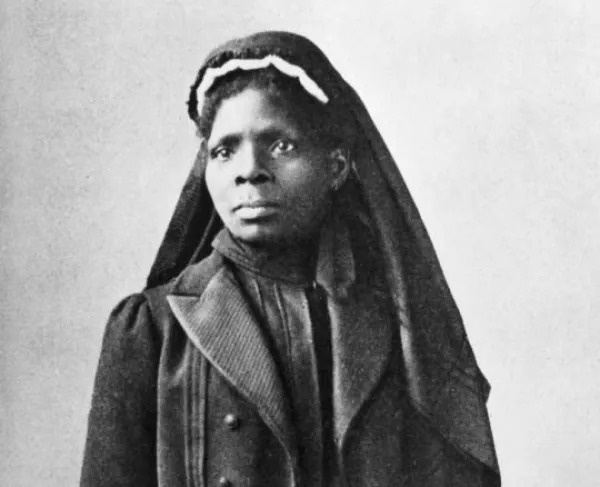
1848/1862 - Susie King Taylor’s Legacy
Susie King Taylor was born into slavery in Liberty County in 1848. Educated in secret in Savannah, Taylor later served as a nurse and teacher during the Civil War. Her service and commitment to educating this nation’s youth set an example of tenacity and excellence.
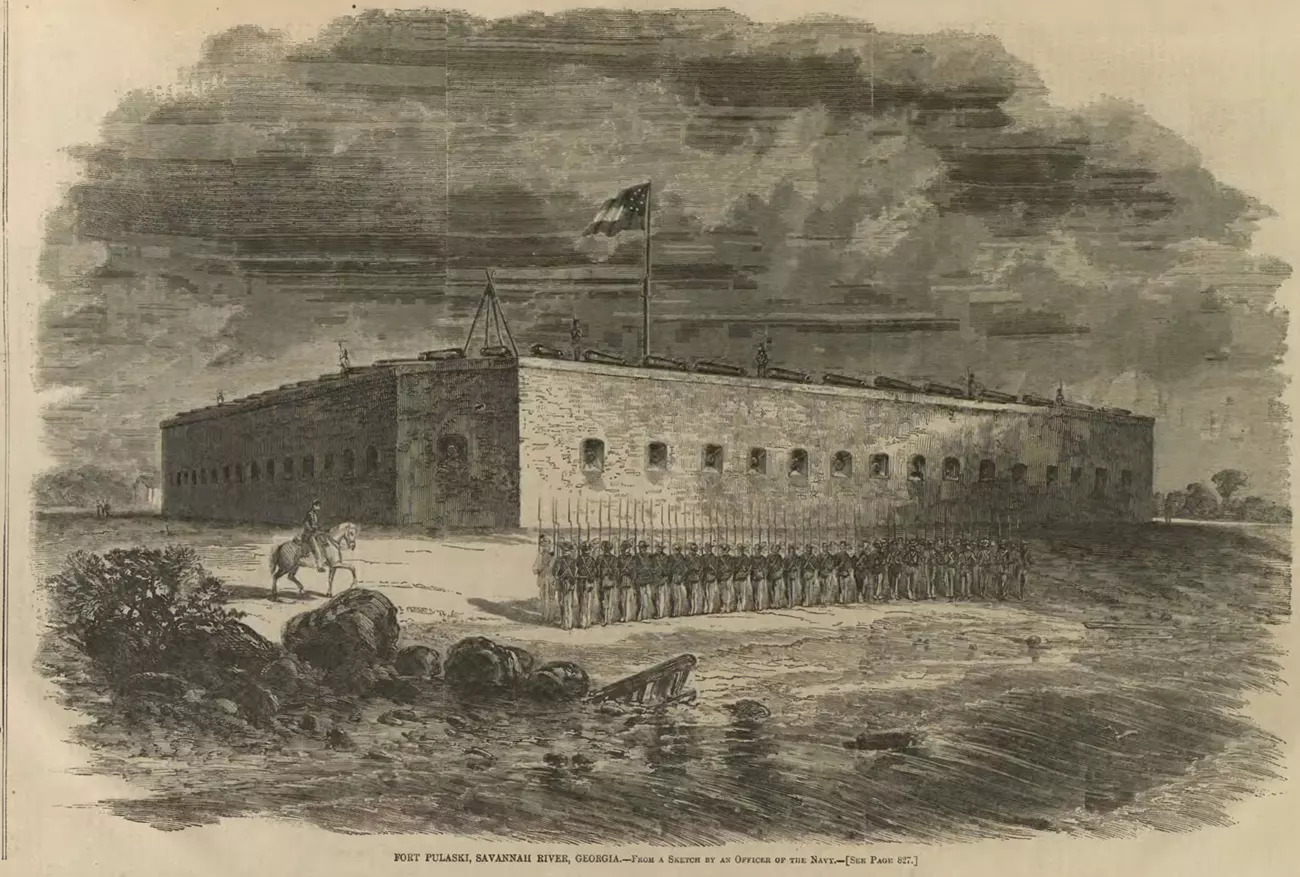
1862 - Fort Pulaski Changes Warfare
The Civil War reached Georgia’s coast with devastating force in 1862, when Union forces used rifled artillery to breach Fort Pulaski’s masonry walls. The battle changed military strategy and helped shape the future of American defense.
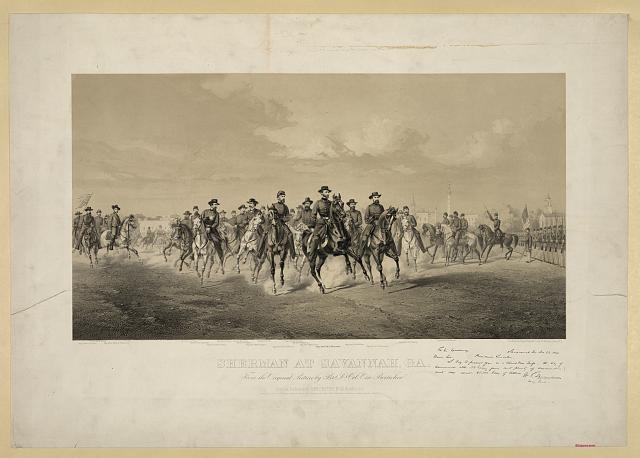
1864 - Famous telegram sent to Abraham Lincoln
When General William Tecumseh Sherman completed his March to the Sea, he arrived in Savannah after a destructive campaign across Georgia. When he reached the city, he spared it. On December 22, 1864, Sherman sent a telegram to President Abraham Lincoln, offering Savannah as a Christmas present to the nation.
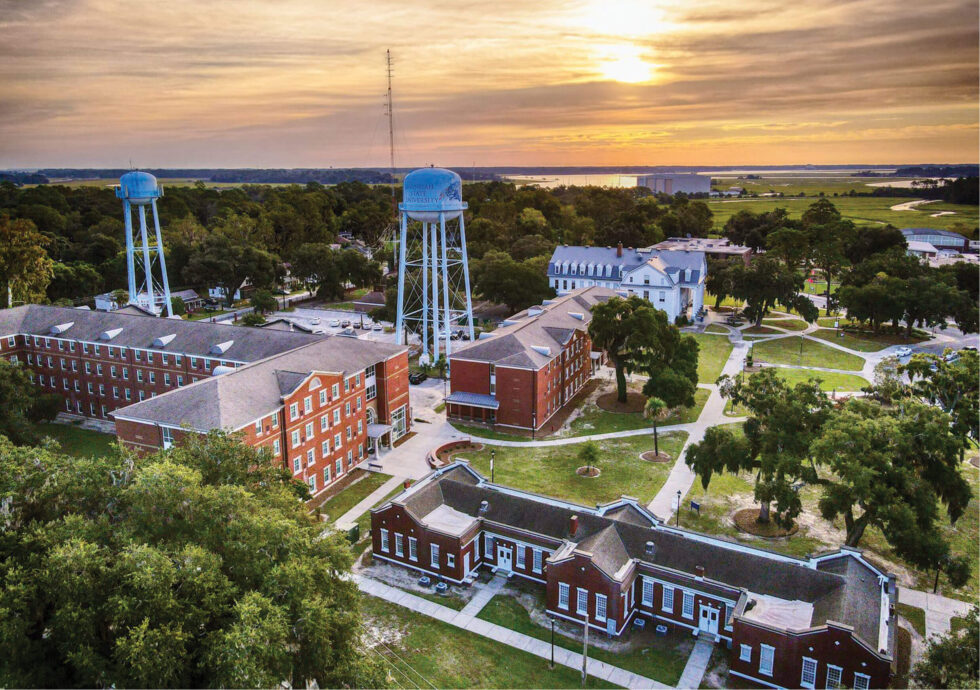
1890 - Savannah State University Founded
Following the Civil War and the end of slavery, Savannah State University was founded in 1890 as Georgia’s first public historically Black college and university. Its graduates have since carried the First District’s legacy of service and leadership into communities across America.
1909 - Johnny Mercer Born in Savannah
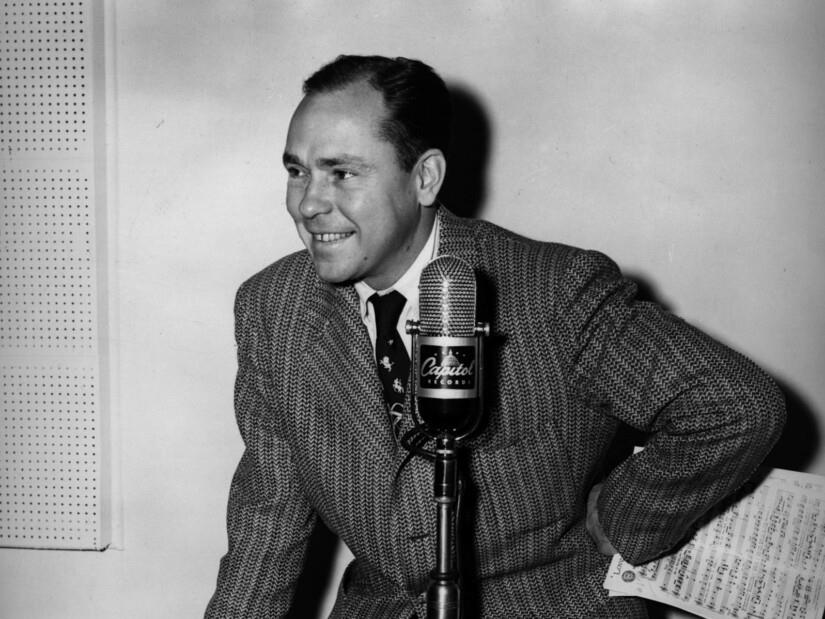
Savannah gave America one of its great songwriters in Johnny Mercer. Through his music, lyrics, and the co-founding of Capitol Records, Mercer helped shape the sound of American culture.
1910 - Secret Meeting at Jekyll Island, Laying the Foundation for the Federal Reserve
In November 1910, a small and secretive group of financiers gathered at Jekyll Island and laid the groundwork for what would become the Federal Reserve System. A major chapter in America’s modern financial system began in Georgia’s First District.
1912 - Girl Scouts Founded in Savannah
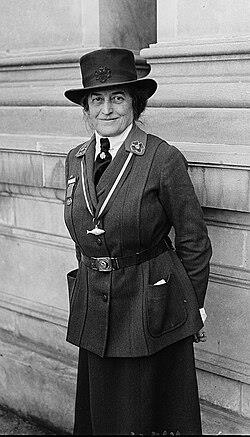
Strong women make a strong America. With that vision, Juliette Gordon Low founded the Girl Scouts of America to prepare young women with leadership and service skills. The movement became a national organization that has instilled traditional American values in countless women across the nation.
1937 - Okefenokee National Wildlife Refuge Established
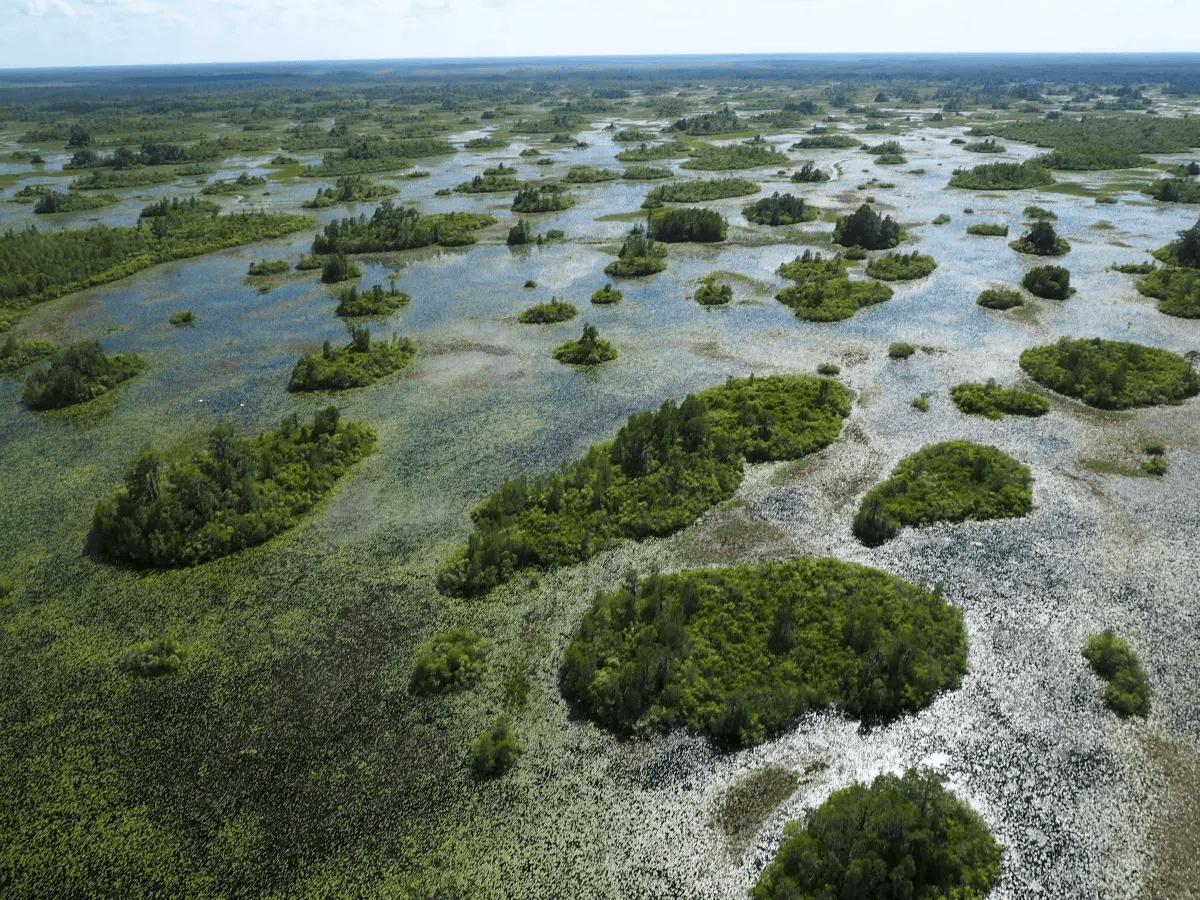
The Okefenokee National Wildlife Refuge protects one of America’s most extraordinary natural landscapes. Its preservation reflects a patriotic duty to safeguard the land, water, wildlife, and beauty that make this country unlike any other.
1942 - Eighth Air Force Activated in Savannah
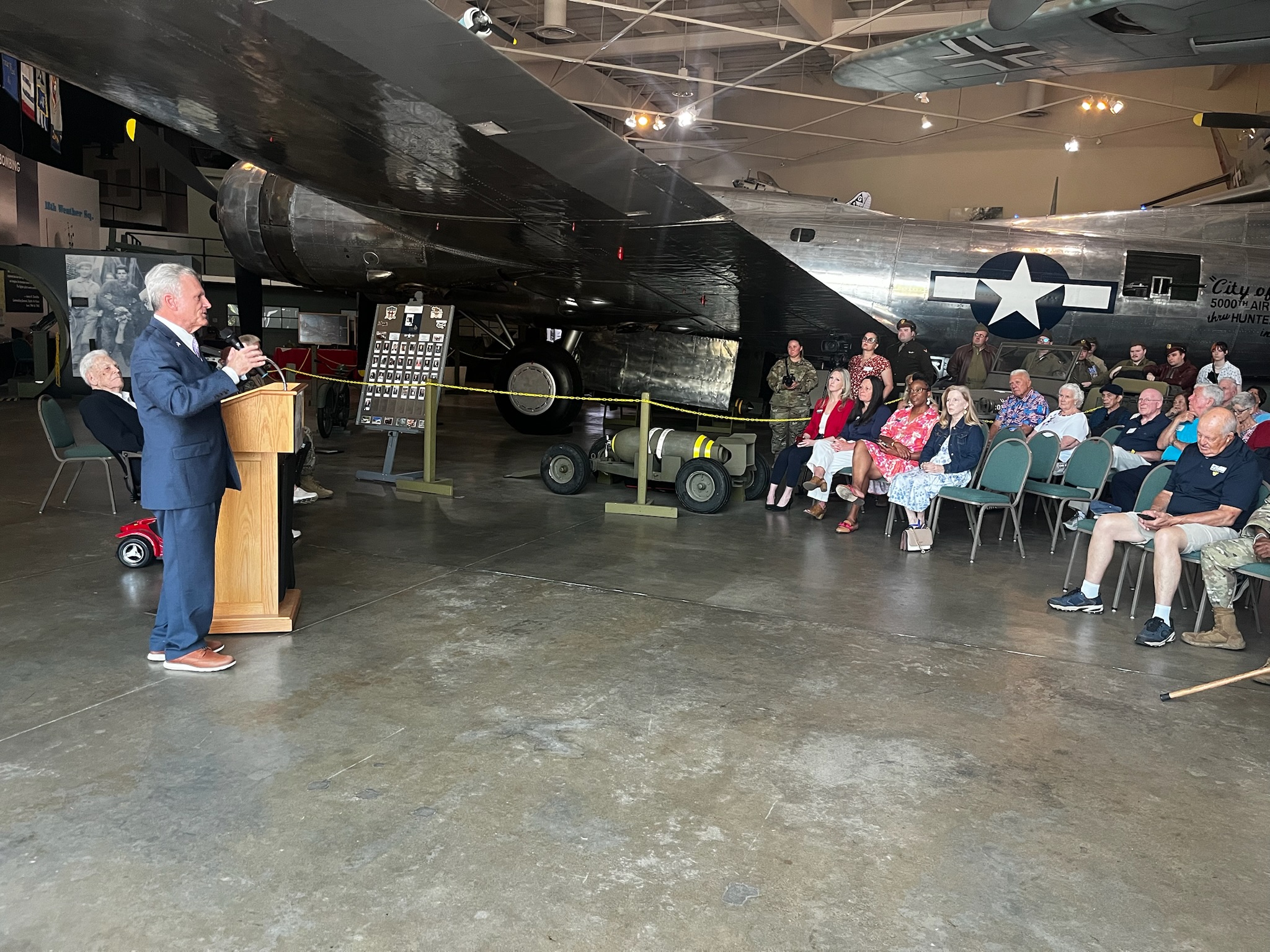
The Eighth Air Force was activated in Savannah during World War II and went on to play a critical role in the success of America’s air campaigns. Its beginning in the First District is a proud reminder that coastal Georgia helped launch forces that defended freedom worldwide from evil.
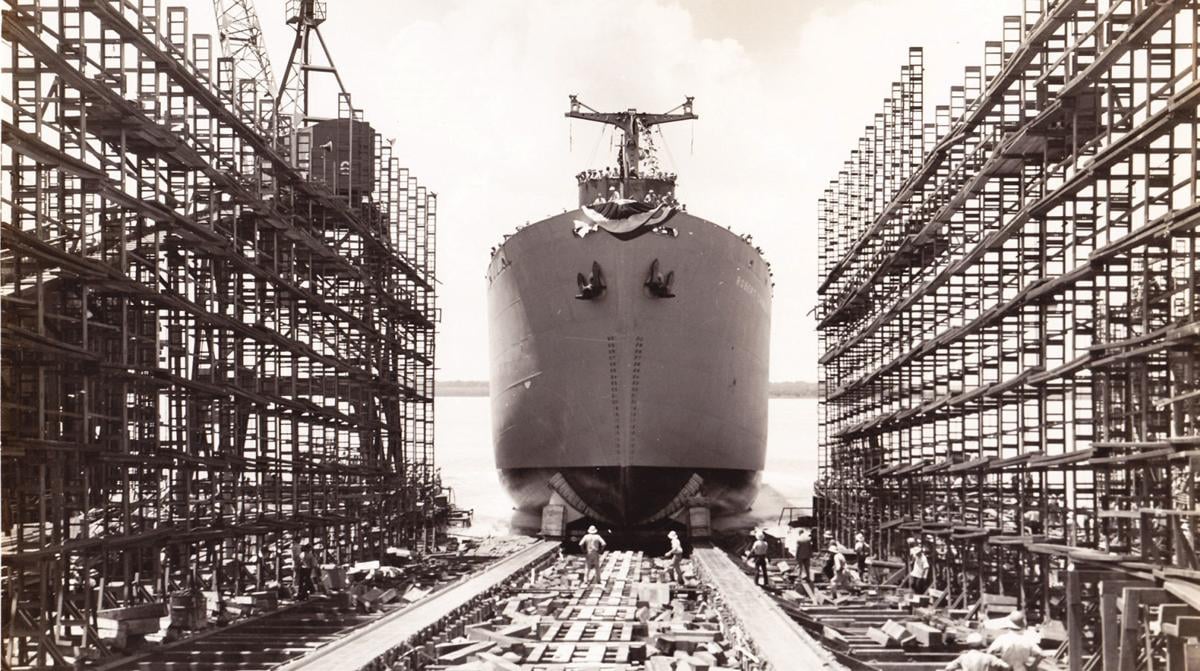
1942–1945 - Savannah and Brunswick Build Liberty Ships
After the attack on Pearl Harbor, a fire was set in the hearts of every American, and our nation’s industrial might rose to meet the moment. Shipyards in Savannah and Brunswick built Liberty ships to support the war effort, helping supply American forces and our allies – effectively helping change the trajectory of the war and the future of our country.
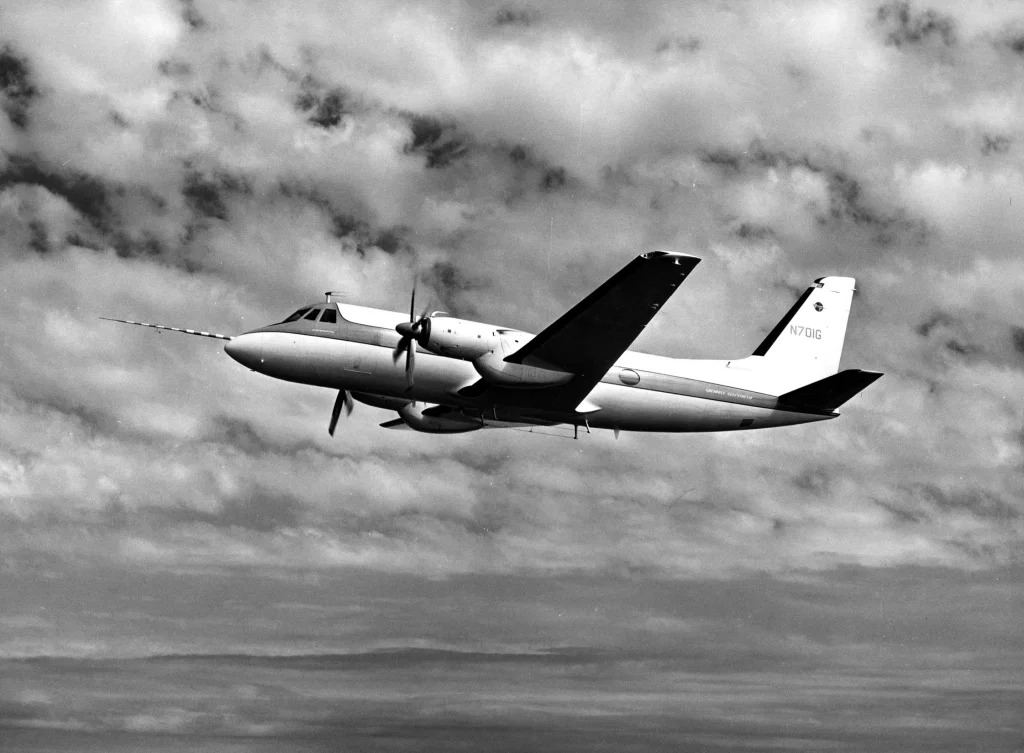
1958/1967 - Gulfstream I Takes Flight; Gulfstream Later Makes Savannah Its Home
Gulfstream Aerospace helped place Savannah at the center of American aviation excellence. From the same coast that launched the S.S. Savannah across the Atlantic, Georgia’s First District once again helped pioneer American innovation – this time from the sky.
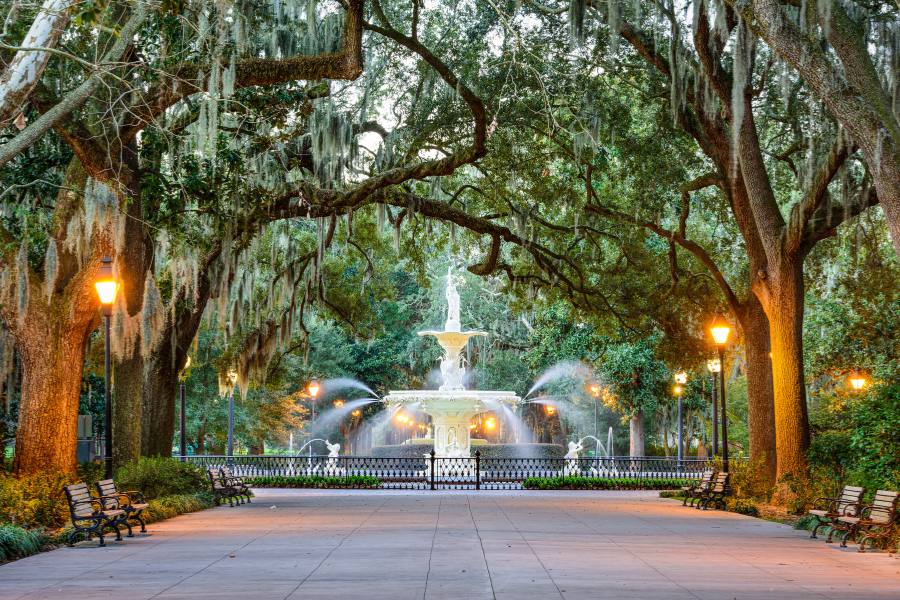
1966 - Savannah Historic District Designated
Savannah’s Historic District was designated in 1966, ensuring that one of America’s most architecturally and historically significant cities would be preserved. Now, future generations can cherish and study one of the foundational places in Georgia and American history.
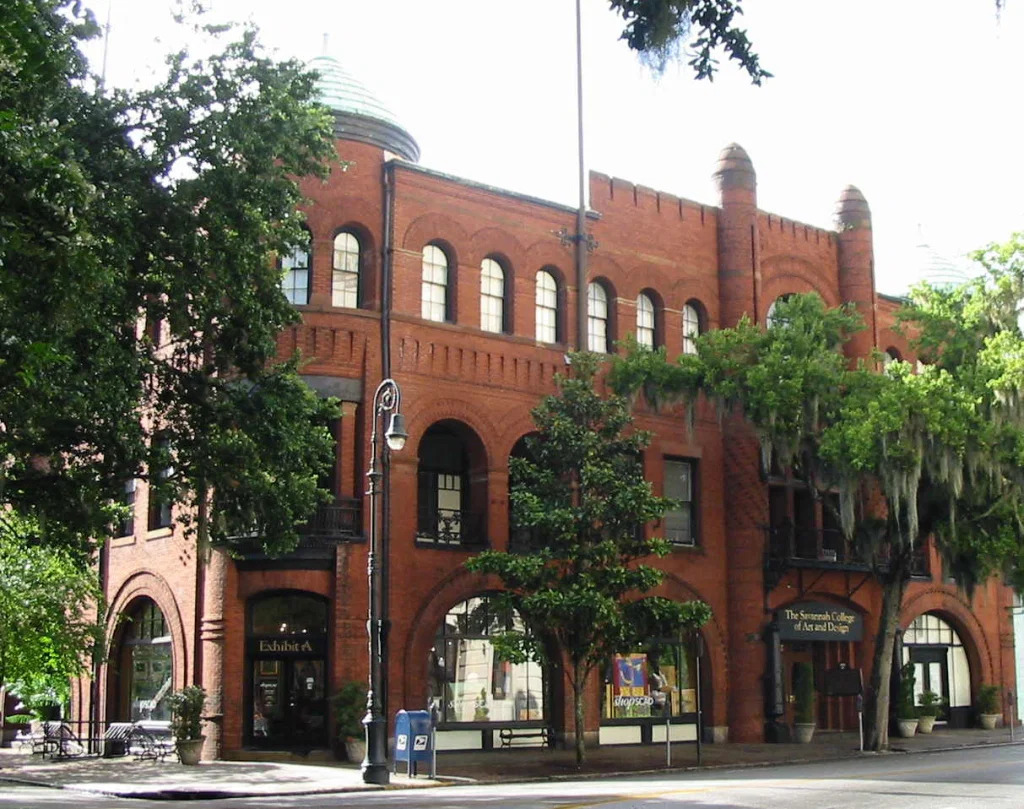
1978 - Savannah College of Art and Design Founded
While Savannah remains rooted in history, it has also become the center of innovation and creativity. The Savannah College of Art and Design (SCAD), founded in 1978, transformed the city into a global center for art and design, attracting talent from across the world.
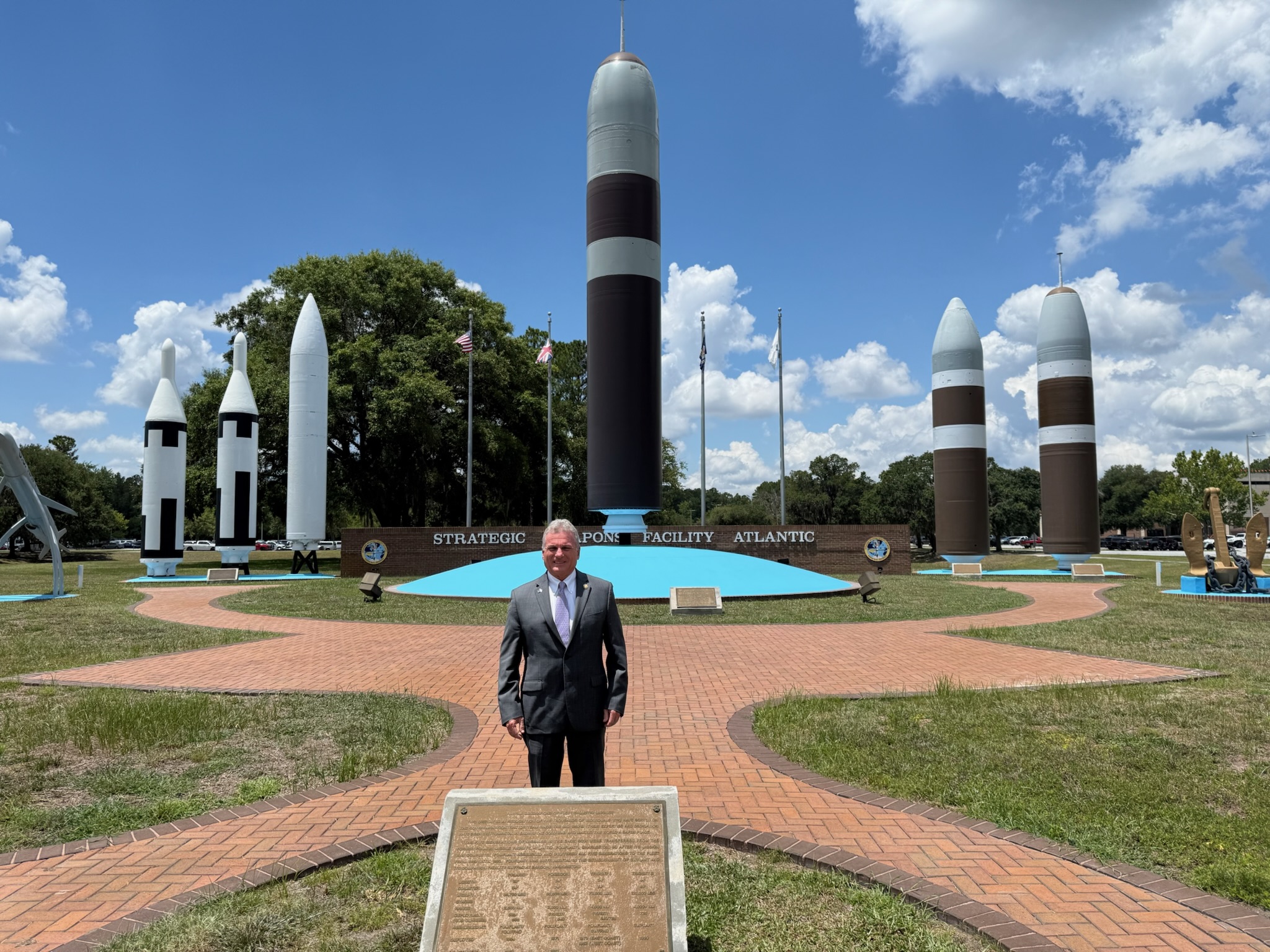
1989 - First Trident Submarine Arrives at Kings Bay
Georgia’s First District is the proud home of a large military community, including Kings Bay, one of the nation's most important military installations. The arrival of the first Trident submarine marked a significant chapter for coastal Georgia’s role in maintaining American readiness.
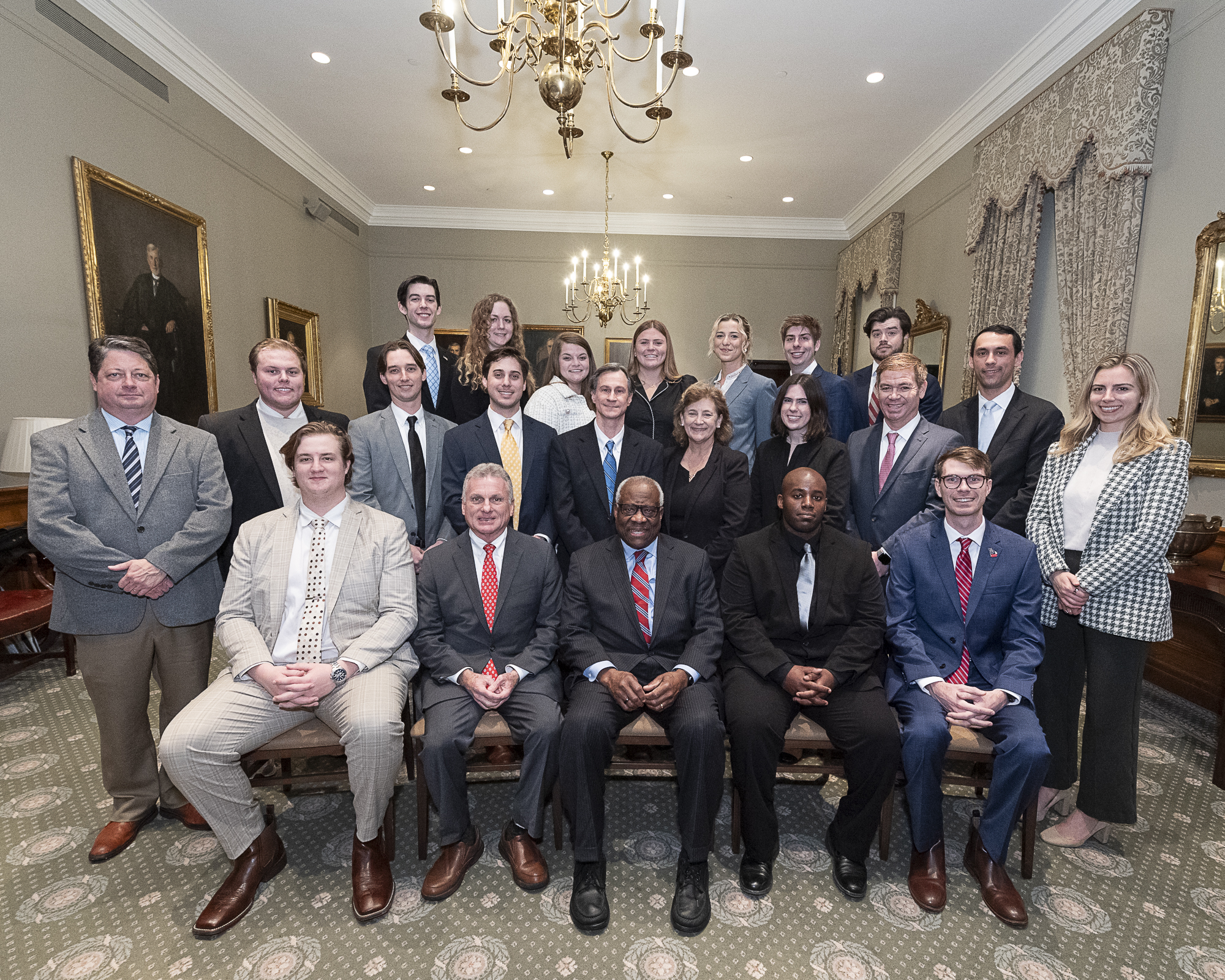
1991 - Savannah-area native Clarence Thomas nominated to the Supreme Court
Born in Pin Point, Georgia, just south of Savannah, Justice Clarence Thomas is the second-longest-serving justice in the history of the Supreme Court, having drafted over 800 opinions during his tenure.
1996 - Savannah holds Olympic Sailing events – earning the United States two bronze medals
During the 1996 Summer Olympics, Savannah hosted the Olympic sailing events, bringing the world to Georgia’s coast. Throughout the events, America won two bronze medals.
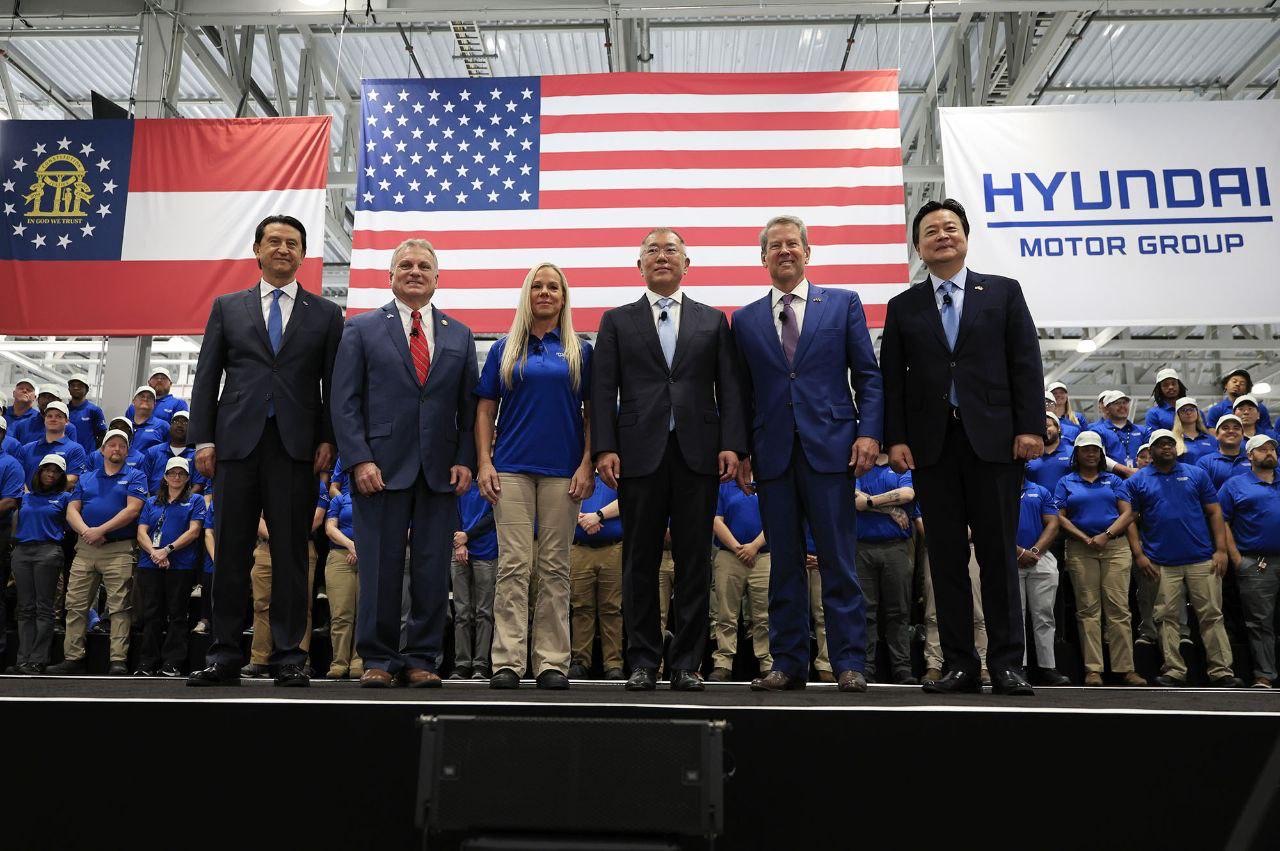
2025 - Hyundai Motor Group Metaplant America Opens in Bryan County
Georgia’s First District is home to the Hyundai Motor Group Metaplant, the single largest economic development project in Georgia history. The facility represents billions in investment and thousands of jobs.
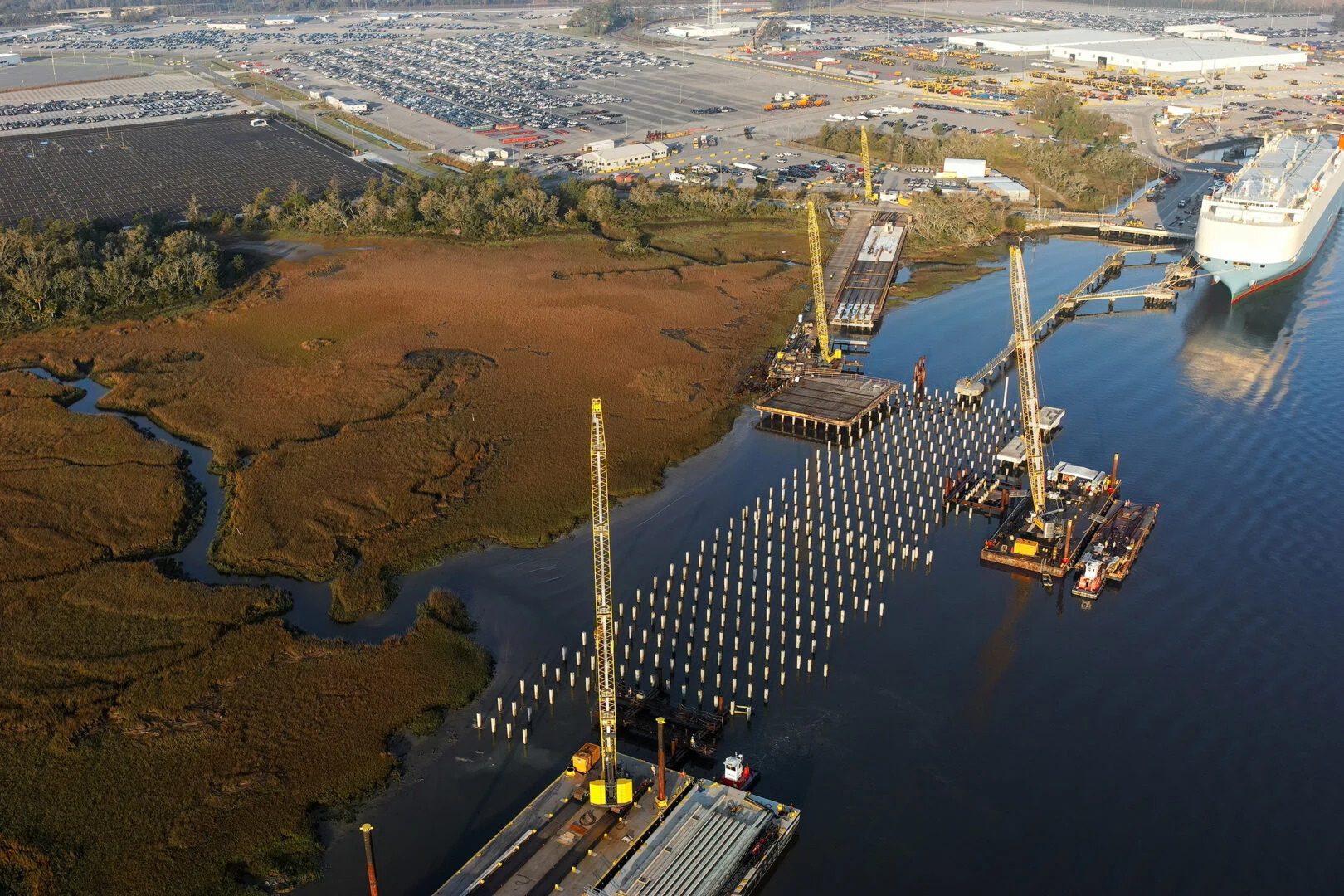
2025 - Port of Brunswick Named No. 1 Auto and Heavy Machinery Gateway
The Port of Brunswick’s rise as America’s top auto and heavy machinery gateway shows the First District still shaping the nation’s future. Through trade, Brunswick helps move the goods that keep America competitive and growing.